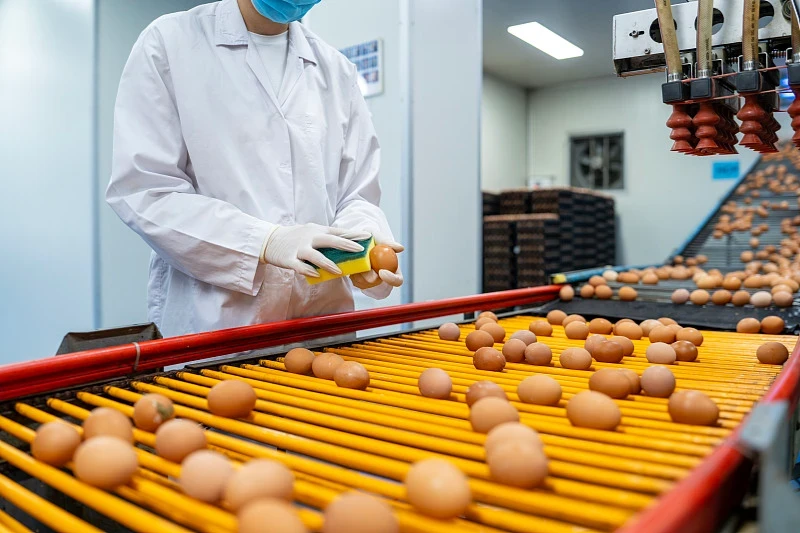
Fresh eggs collected from the chicken coop in the early morning carry their natural temperature, but they also inevitably come with chicken manure, dust, and feather debris attached to them. Many people assume that eggs can simply be sorted and packed before being sold on the market, yet they often overlook the fact that the stains on the eggshells not only affect their appearance but also represent a significant safety concern that cannot be ignored in the food supply chain.
For a long time in the past, many egg farms relied on manual cleaning. Workers used brushes to carefully wipe each egg one by one, which was both time-consuming and labor-intensive. Due to the repetitive nature of this work, it was difficult to maintain a consistent level of cleaning; some egg stains were not removed thoroughly, and excessive force sometimes caused the eggshells to crack. With limited manpower, production could not keep up with the peak demand during the season. The quality of cleaning depended entirely on experience, and it was also challenging to maintain consistent hygiene standards. For those aiming to produce branded eggs for suppliers and fresh food channels, the shortcomings of manual cleaning gradually became a bottleneck in their development.
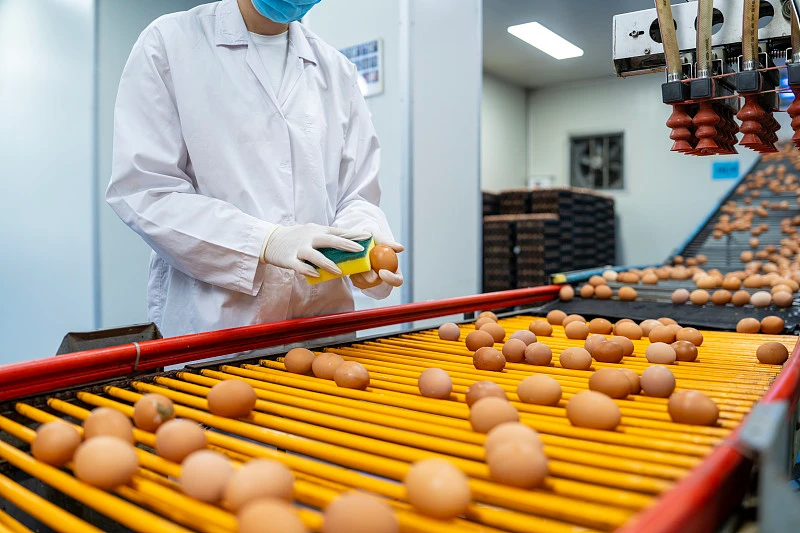
It is precisely this demand that has led to the gradual adoption of egg washing machines by an increasing number of egg-producing companies, family farms, and egg product cooperatives. It is not some fancy device; rather, it simply performs the most basic and crucial task in fresh egg processing in a quiet and efficient manner. The entire machine is made from food-grade 304 stainless steel, which is suitable for the humid and wet environment of food processing facilities. It is corrosion-resistant and easy to disassemble for cleaning, meeting the requirements of HACCP and ISO22000 food safety management systems.
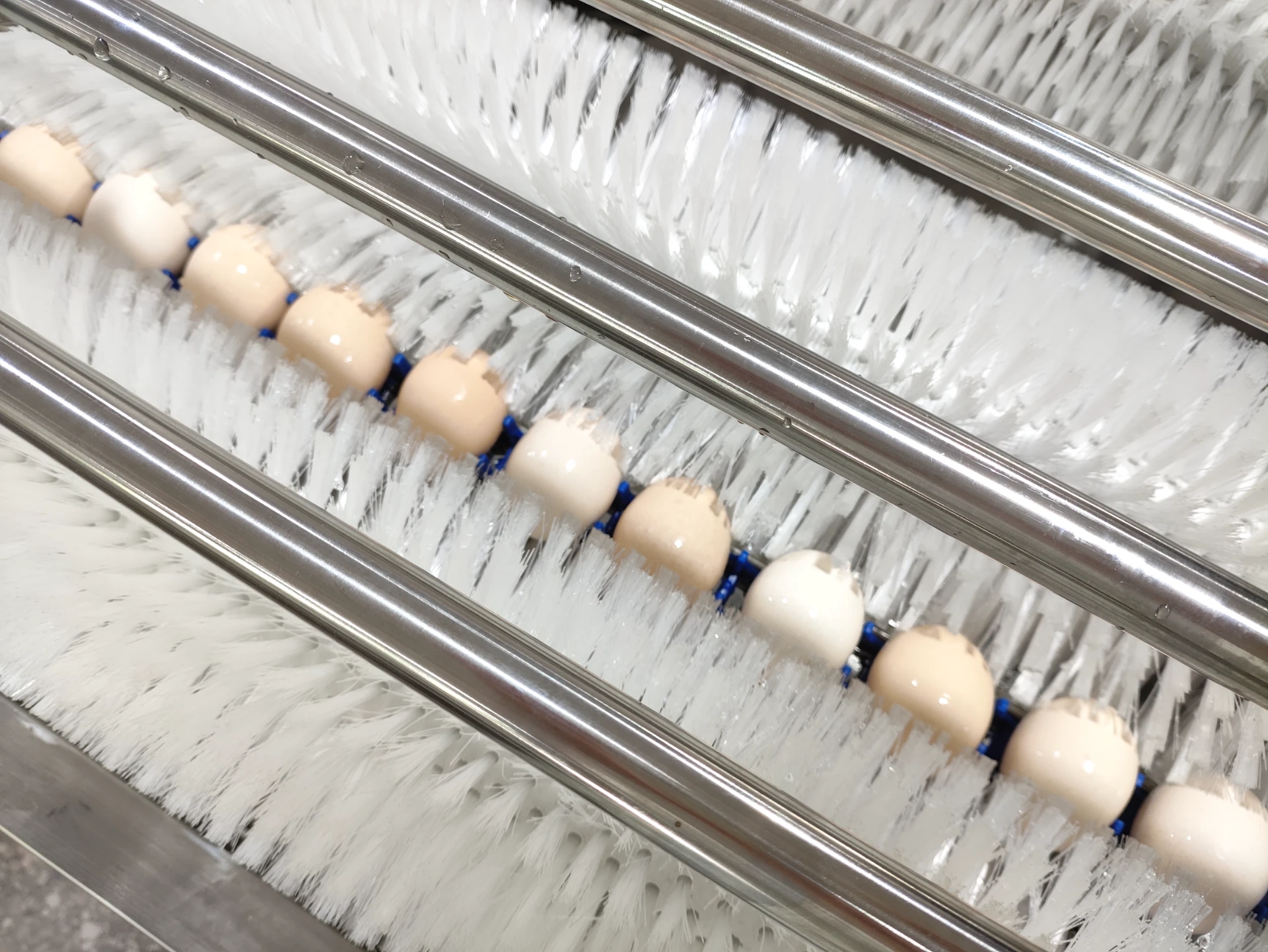
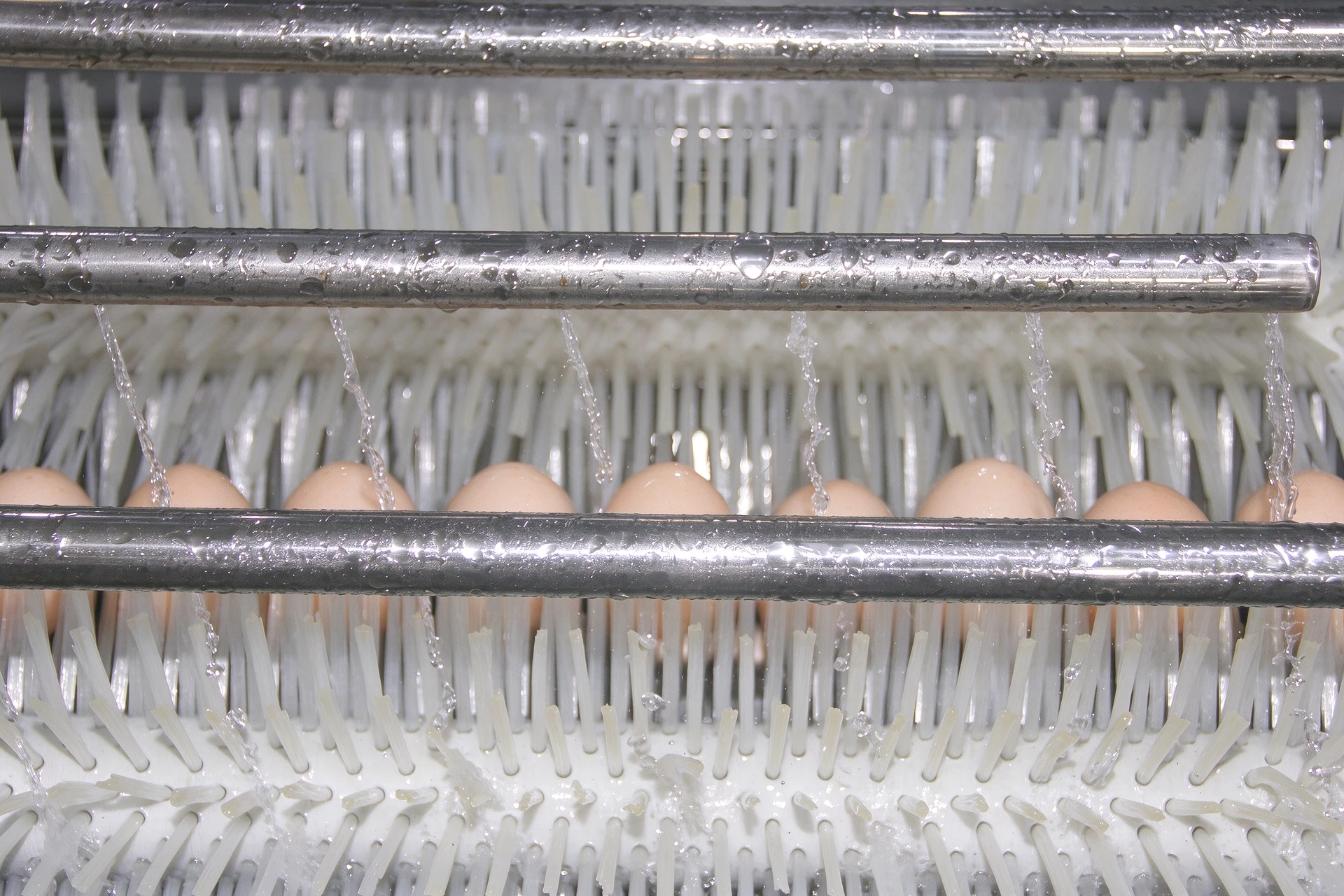
Unlike harsh scrubbing methods, this product uses a flexible brush combined with a constant-temperature spray system. The brush is soft and elastic, allowing it to roll and clean along the curvature of the eggshell at 360°, gently removing stubborn stains while minimizing the risk of damaging the eggshell. After cleaning, a hot air drying unit slowly removes the moisture from the eggshell’s surface, preventing the growth of microorganisms due to prolonged dampness and reducing the likelihood of spoilage from the outset.
The entire production line can be customized to include different functional modules as needed: ultraviolet sterilization to further reduce bacterial colonies on the eggshell surface; AI vision detection to automatically identify cracked or defective eggs that are difficult to detect with the naked eye, and then automatically sort and remove them; for products that require packaging or brand-specific gift boxes, additional options such as coding and fresh-keeping spraying devices can be installed to assign traceability information to each egg.
Small and medium-sized farms do not need to invest in ultra-large production lines immediately; they can handle their daily harvest volumes efficiently. For large-scale egg processing plants, it is possible to connect egg washers, graders, palletizing equipment, and packaging lines to form a continuous automated processing chain, which reduces human interaction and lowers the risk of hygiene issues caused by human error.
Many egg farm owners were initially concerned with whether they could save on labor costs and increase production. Only after using the egg cleaning machines for some time did they realize that the benefits went beyond just reducing costs and increasing efficiency. After each batch of eggs was cleaned, the eggs had a uniform and bright appearance, with no more uneven stains or dirt spots. The quality of the cleaned eggs became more stable and controllable. This provided them with more confidence when dealing with supermarkets, fresh food platforms, or even developing their own egg brands. When consumers receive the eggs and see the clean and tidy shells, they feel reassured and are more likely to continue choosing these eggs.
In the food ingredients industry, there are no shortcuts. A high-quality egg depends on excellent farming management, as well as proper and meticulous processing after harvesting. An egg cleaner essentially transforms the cleaning process, which used to rely on experience, into a standard procedure that can be replicated and controlled. Instead of pursuing flashy gimmicks, we focus on maintaining the hygiene of the eggs, ensuring that the fresh eggs leave the farm and arrive clean and safe on the dining tables of thousands of households.