Fresh Egg Grading & Packaging Equipment
ZYX-YS1-ZK Egg Washing and Packaging Machine
Model: ZYAI30-6XR
推荐产品
1 / 2
1
2
Description
Core composition of production line (three-level linkage)
1. Front-end: Egg washing machine
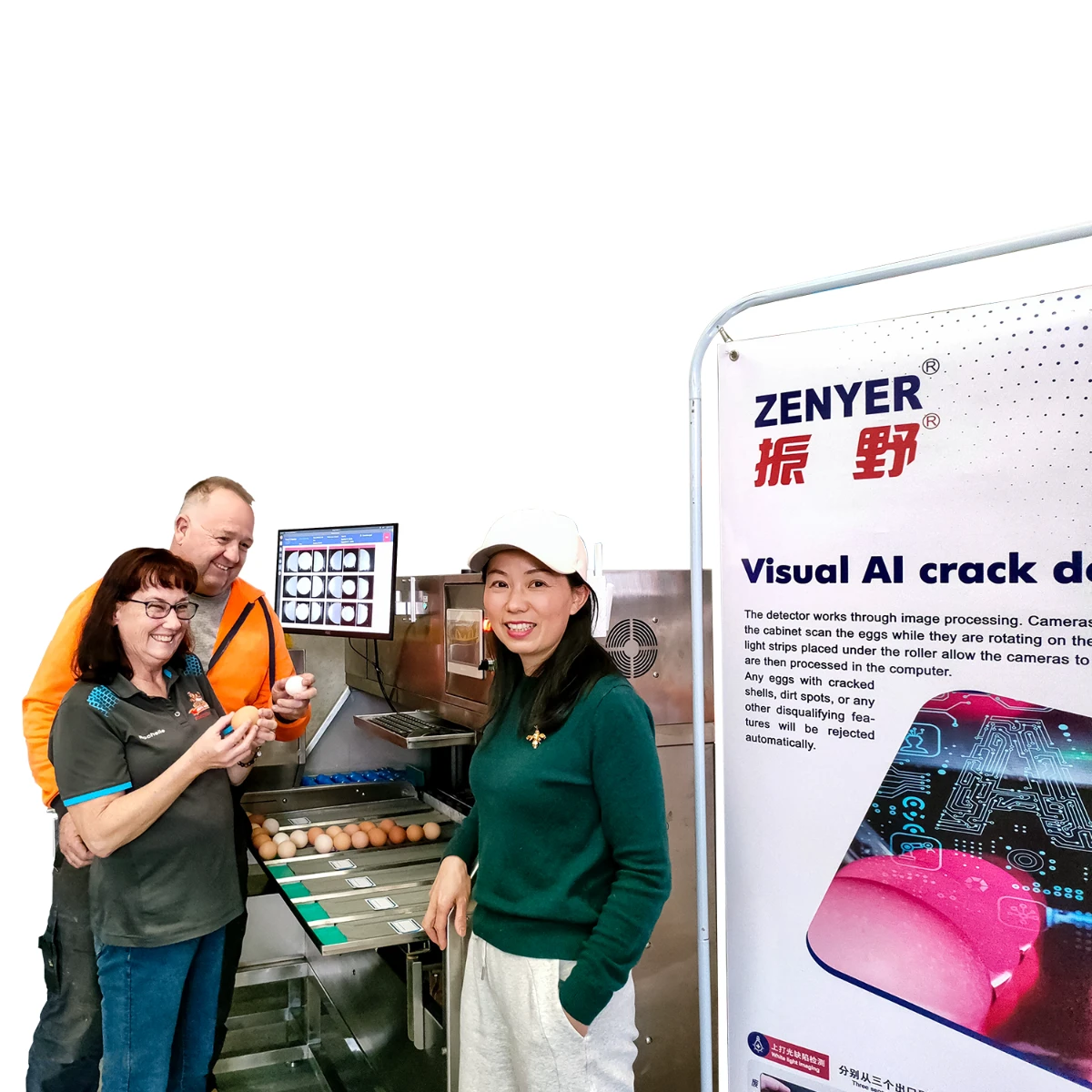
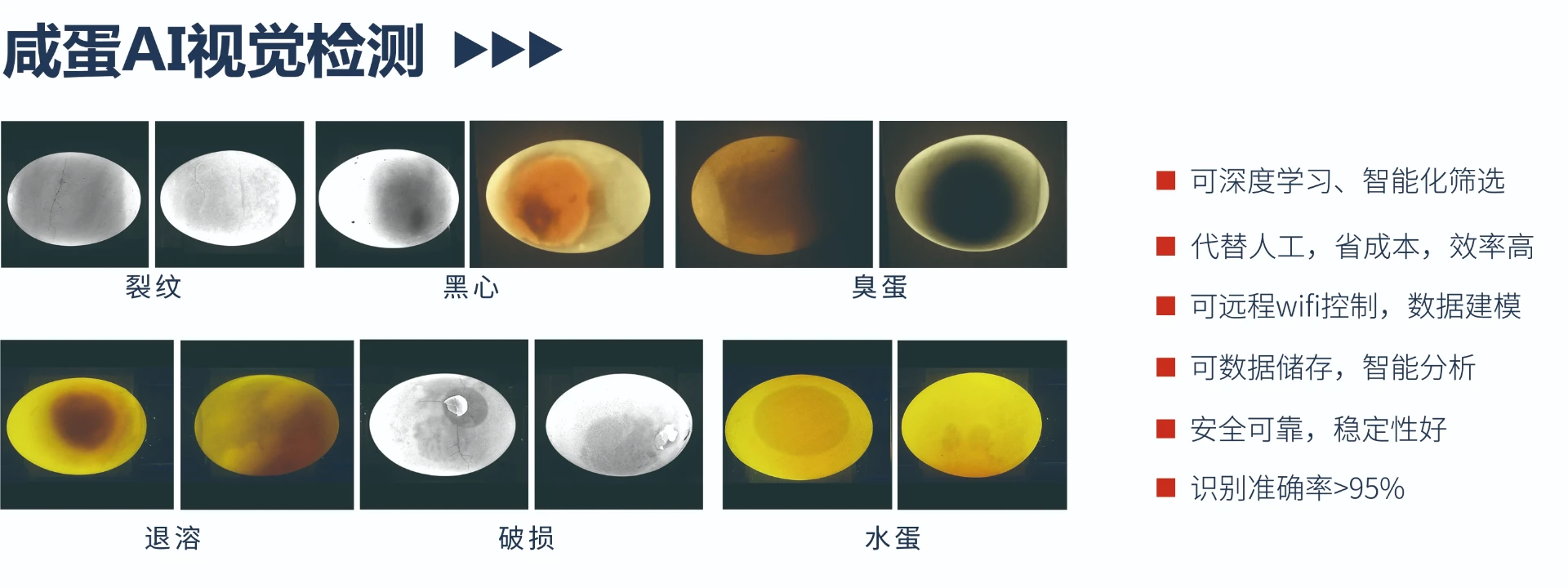
Function: Egg placement on water tank → Spraying → Brush cleaning → Strong wind drying → AI visual inspection (eliminating black-hearted/re-dissolved/damaged/cracked/rotten eggs)
Production capacity: 10,000–30,000 pieces/hour (optional according to demand)
2. Middle section: Egg collection and sorting machine (three-row/four-row/five-row)
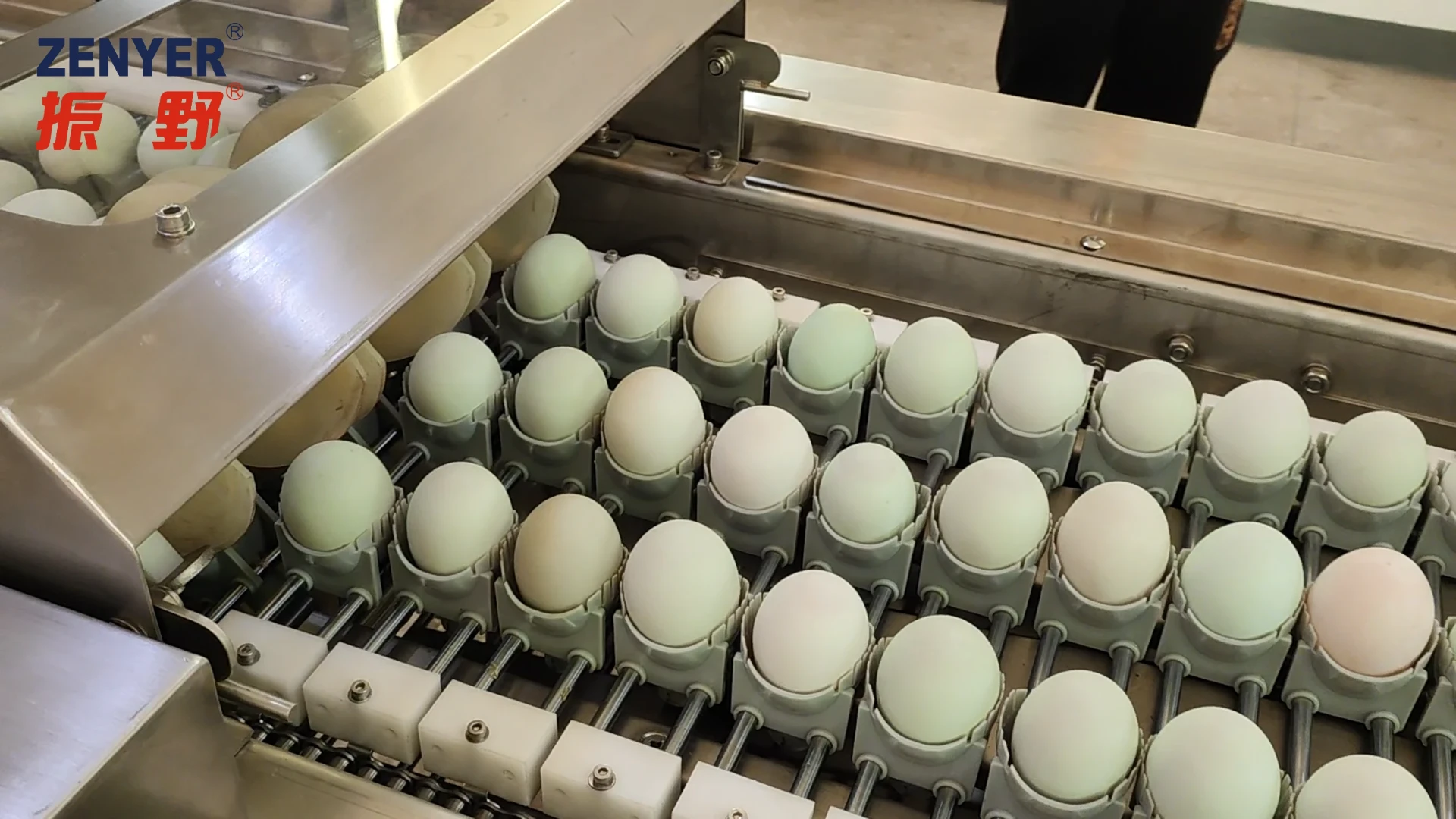
Core: Mechanical sorting + servo orientation, automatically arranging salted eggs in an upright position with the larger end facing up
Output: Accurate feeding to the picking position of the packaging machine, without squeezing or slipping
3. Back-end: Bag-type vacuum packaging machine (compatible with mainstream models on the market)
Action: The egg suction device precisely adsorbs the larger end of the egg → smoothly places it into the bag → applies vacuum sealing → outputs the finished product
Advantages: Seamless integration with the collection machine, ensuring hygiene and appearance without any manual contact throughout the process
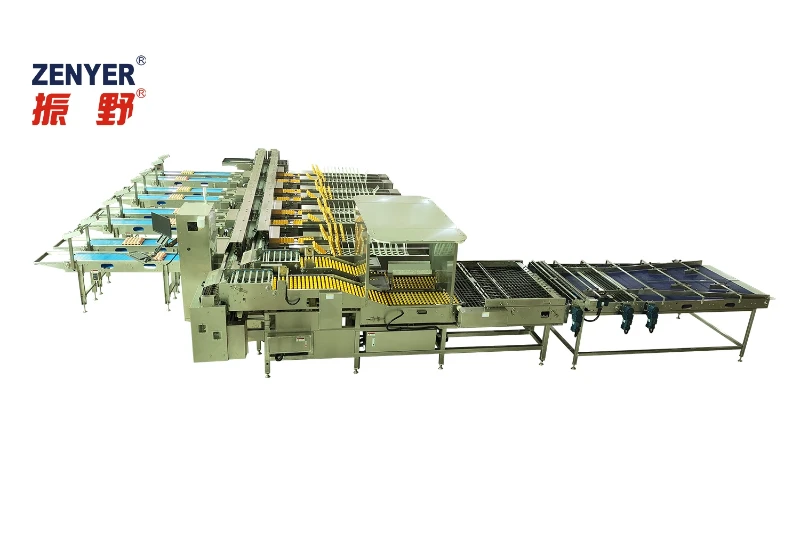
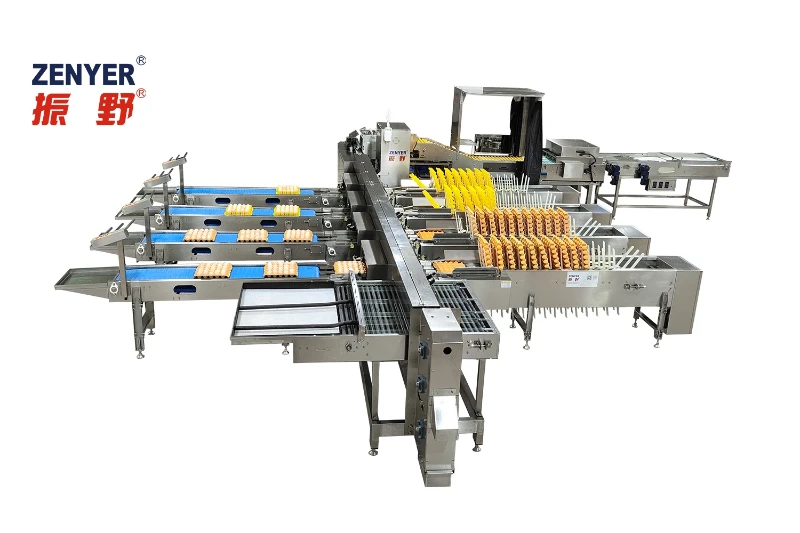
Equipment schematic diagram
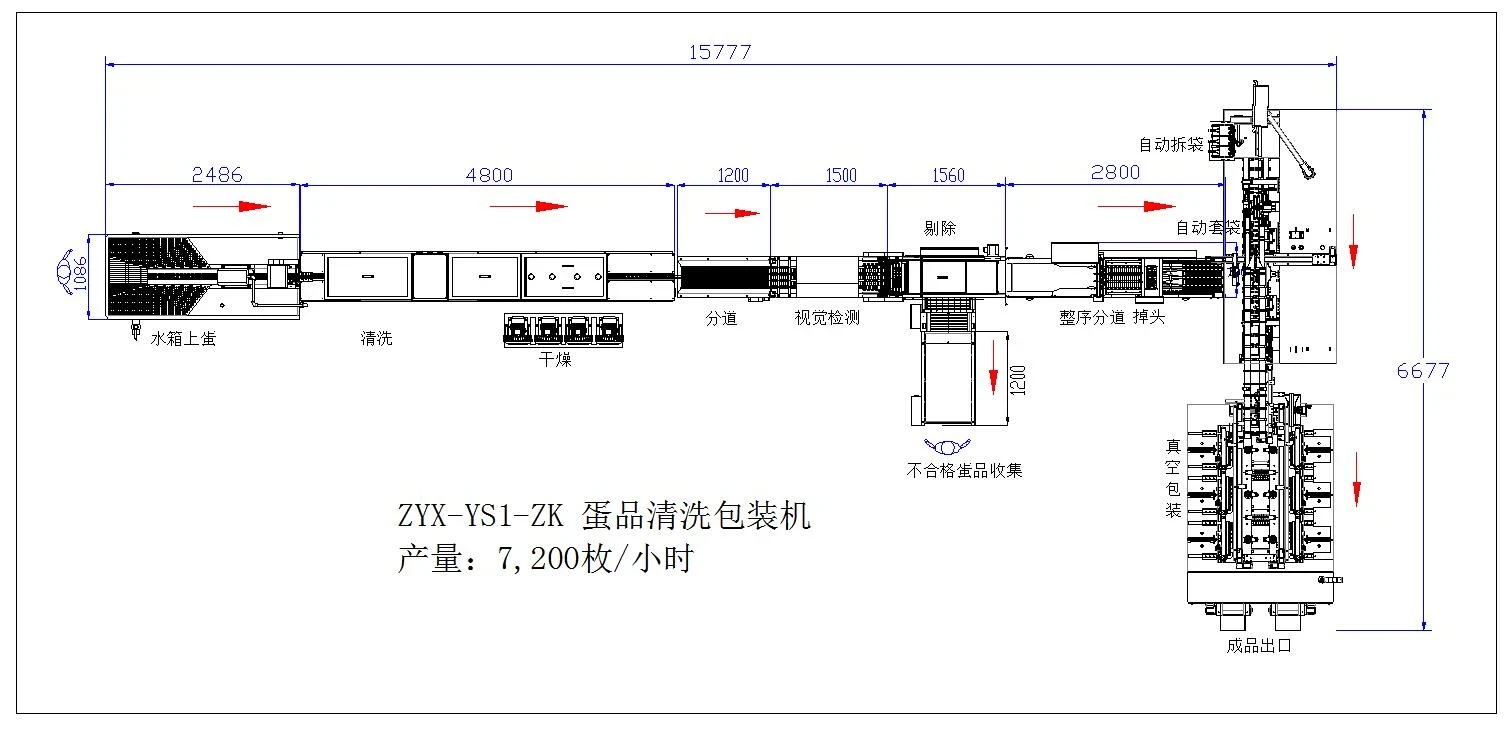
process flow
1) Egg loading onto water tank: A whole basket of duck eggs is manually poured into the water tank, and the eggs are transported to the egg conveyor device on the slope under the dual action of buoyancy and gravity. It includes the functions of egg loading onto water tank and high-pressure spraying;
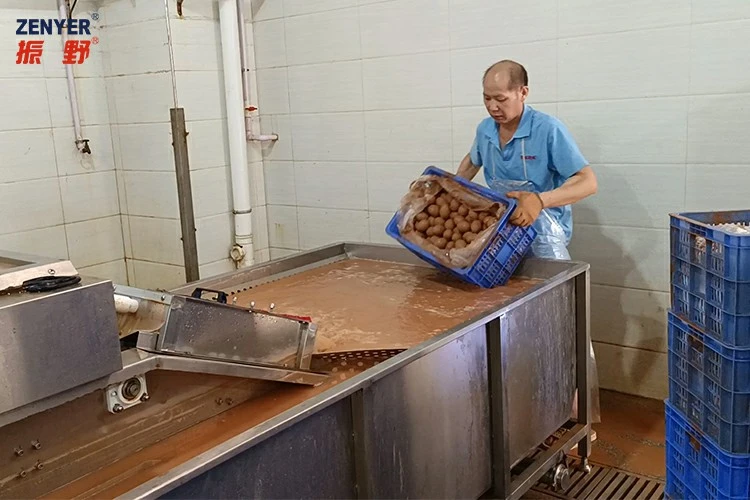
2) Cleaning: Duck eggs enter the egg cleaning machine, undergo spraying and brushing, and then enter the air drying system
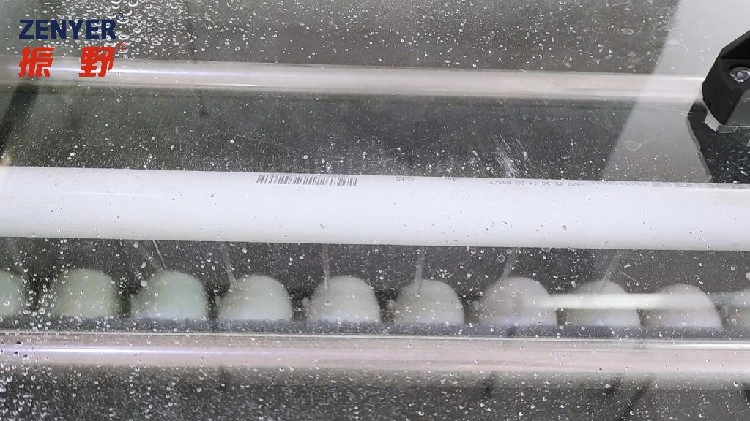
3) Air drying: The air-drying brushes at the rear section of the egg washing machine brush off most of the water on the duck eggs, and the residual water droplets on the duck eggs are dried by the strong wind generated by the fan, with a drying rate of up to 95% (depending on the local environmental humidity);
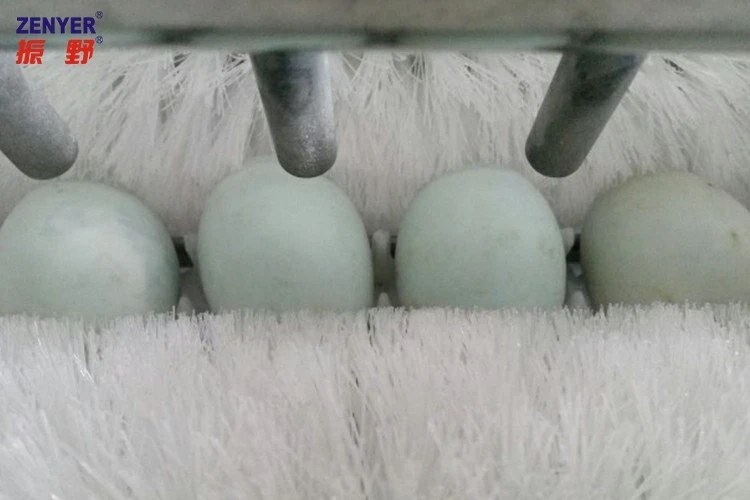
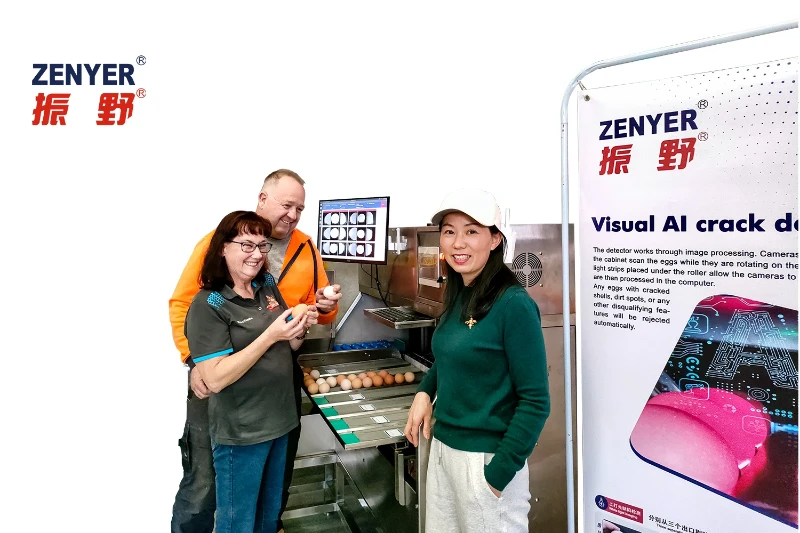
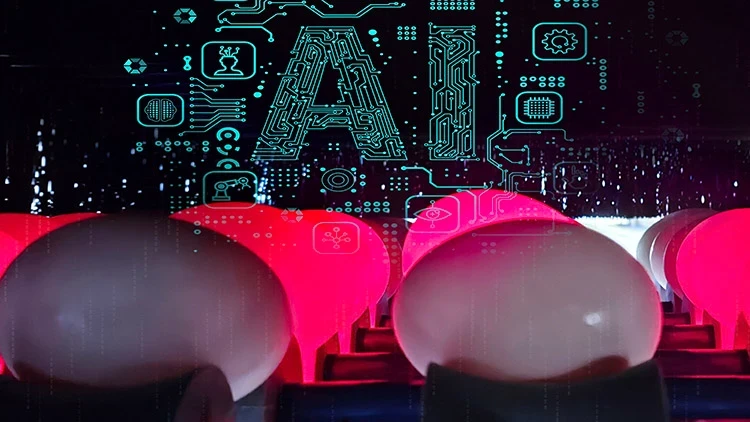
4) AI visual inspection: AI visual inspection of salted eggs replaces manual visual inspection, automatically screening out unqualified eggs such as rotten eggs, black-hearted eggs, and eggs with dissolved yolk;
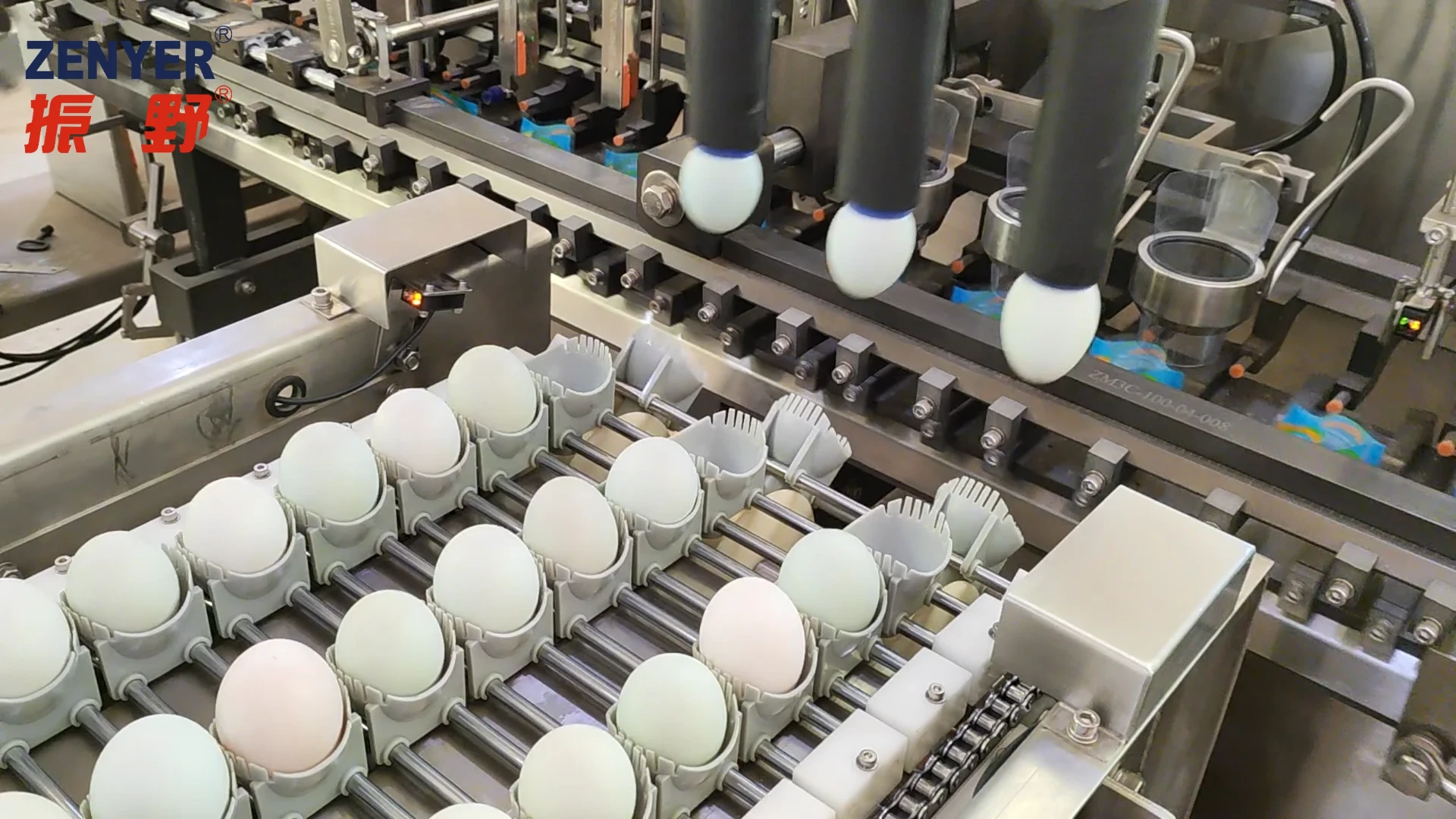
5) Automatic turning: A specially designed turning device adjusts the size of the eggs and precisely places them into the conveyor egg cups;
6) Automatic bag unpacking: Place the vacuum packaging bags (three sets in total) on the unpacking device, which will automatically separate the vacuum packaging bags into individual ones and convey them to the bag feeding device;
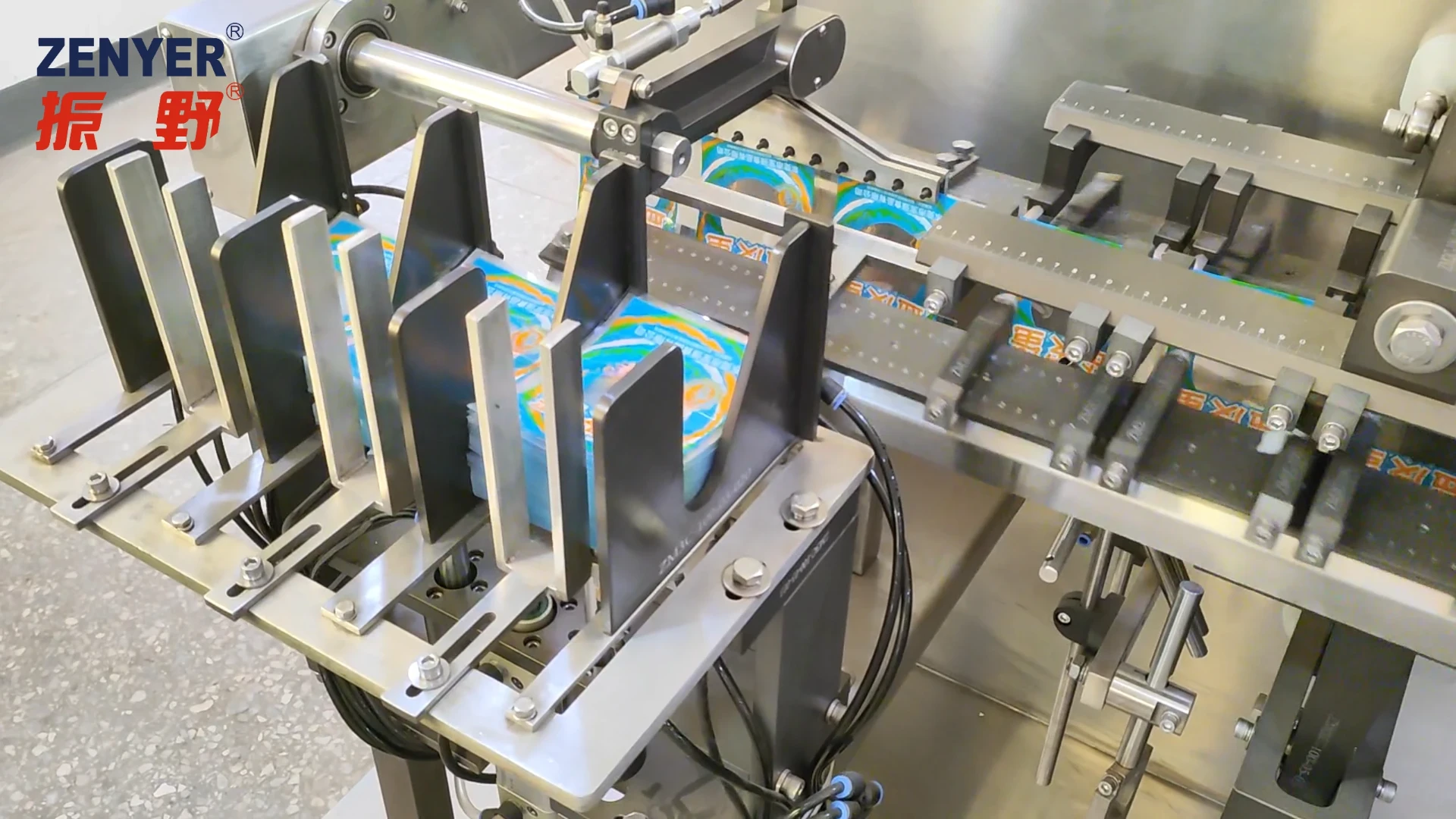
7) Automatic bagging: The automatic bagging device sucks the eggs from the egg cups of the collecting machine row by row and places them into vacuum bags;
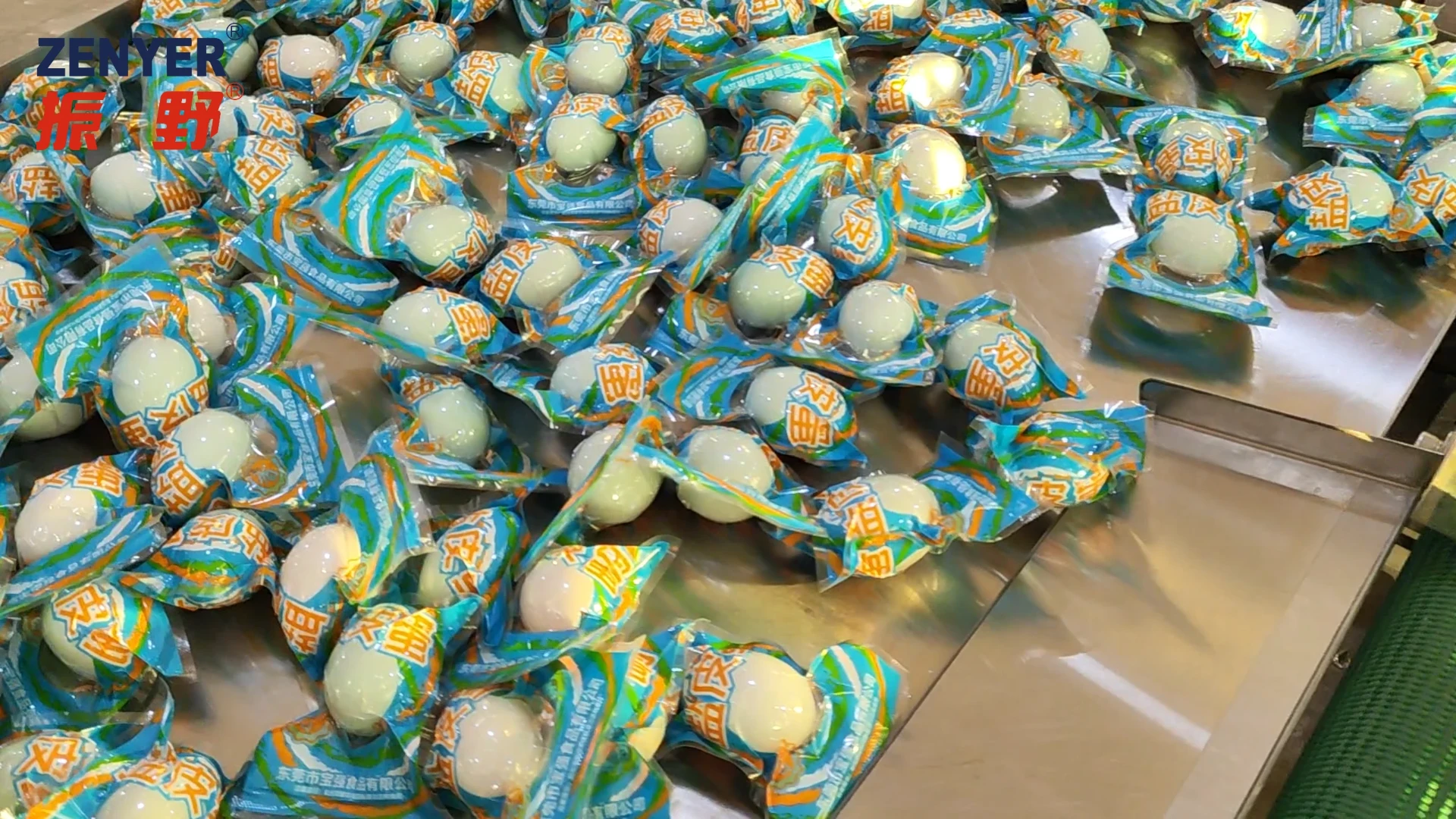
8) Vacuum packaging: Deliver the bagged eggs to the vacuum packaging machine for vacuum packaging, and then collect the finished products.
推荐产品
1 / 2
1
2
Features
- Capacity: 7,200 eggs/hour
- Integrates washing and packaging
- 304 stainless steel, power 28KW
- Suitable for salted egg processing
Specifications
Code202B+711B+914
NameZYX-YS1-ZK Egg Washing & Packaging Machine